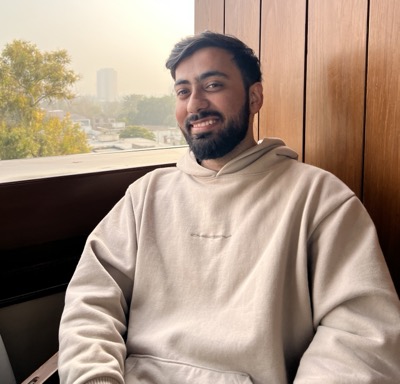
Ahmad Anis
Cohere Labs Community
Ahmad Anis is a deep learning engineer at Roll.ai and a Cohere Labs Asian Community Co-Lead. His work spans community-led research, multimodal AI, and open science programs. Find him on LinkedIn and X.
A community lead reflects on three years of learning, research, and building programs inside the Cohere Labs Open Science Community.
Around three years ago, I was scrolling through X when I stumbled on a tweet by Sara Hooker about Cohere Labs, then called Cohere for AI, and a community Discord she was building. I read the tweet, clicked the link, and joined.
I joined to explore, assuming it would be like most online communities in ML: a place where a lot is happening, the Discord is full of conversations, I would join enthusiastically and leave in a few days. I would learn something, maybe. But I did not expect to stay.
What I actually found was different. It was a small, tight community, a few hundred people at the time. I got to interact with actual researchers, attend study groups, and learn about real research happening in AI: the trends evolving, the problems people were actually working on. It was the kind of environment I had not had access to before.
I started showing up more. Then contributing. Then, slowly, leading.
I randomly applied to become a community lead, not knowing I would be selected. It was scary; I had never led any community and had no idea what I was doing. Since I was leading for Asia, I decided to focus on inviting researchers from across the region to come and present their work. I taught myself the art of cold outreach and started reaching out to people, not realizing we would get such a strong response from both speakers and audience alike.
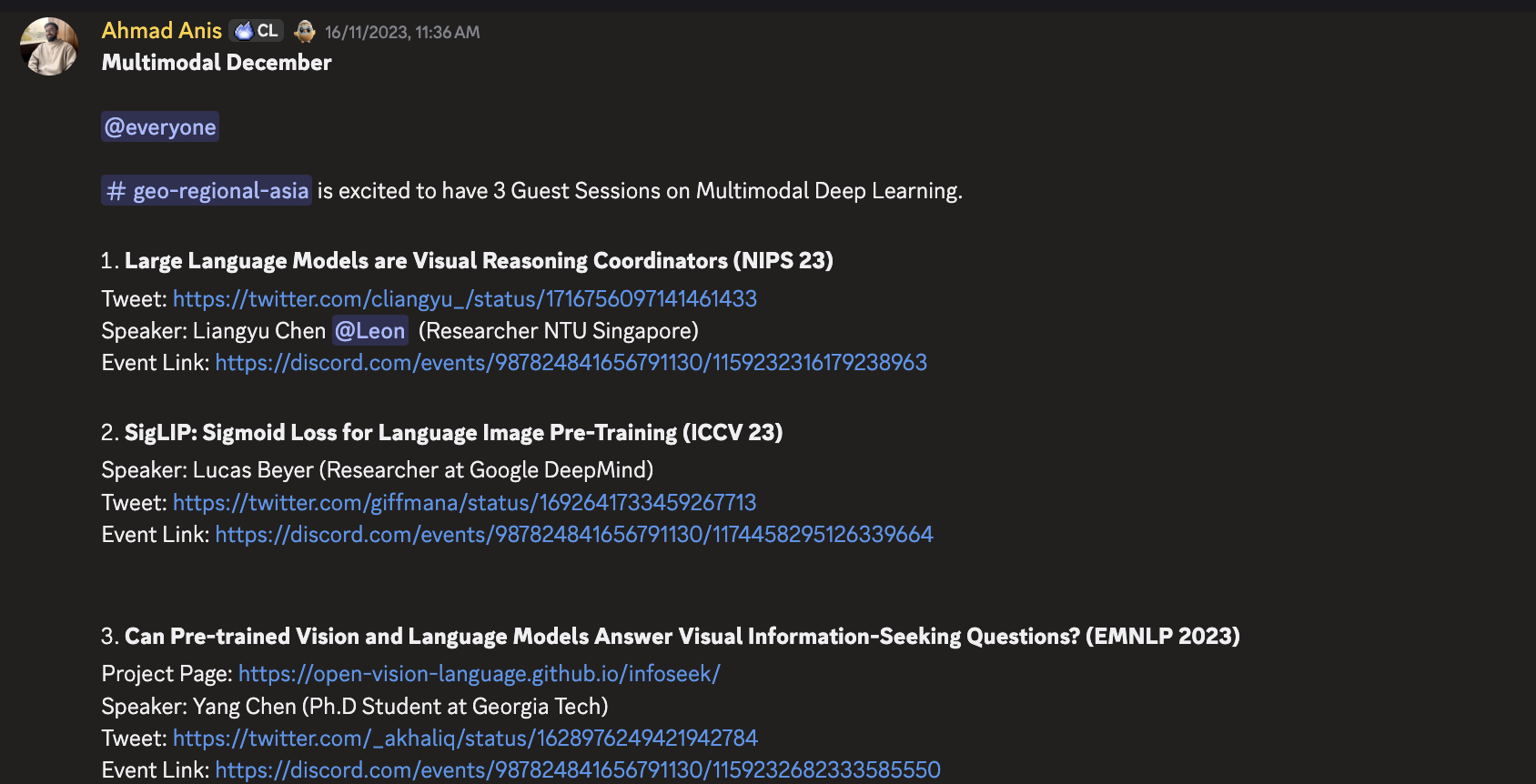
I also noticed that our audience was hungry for structured learning, not just talks. So we hosted a cohort around the NYU Deep Learning course, originally taught by Yann LeCun and Alfredo Canziani. Helping organize and teach those sessions made me realize I needed to go much deeper on the mathematics side, which eventually led me to start a sub-group called ML-Maths, now led wonderfully by Katrina Lawrence.
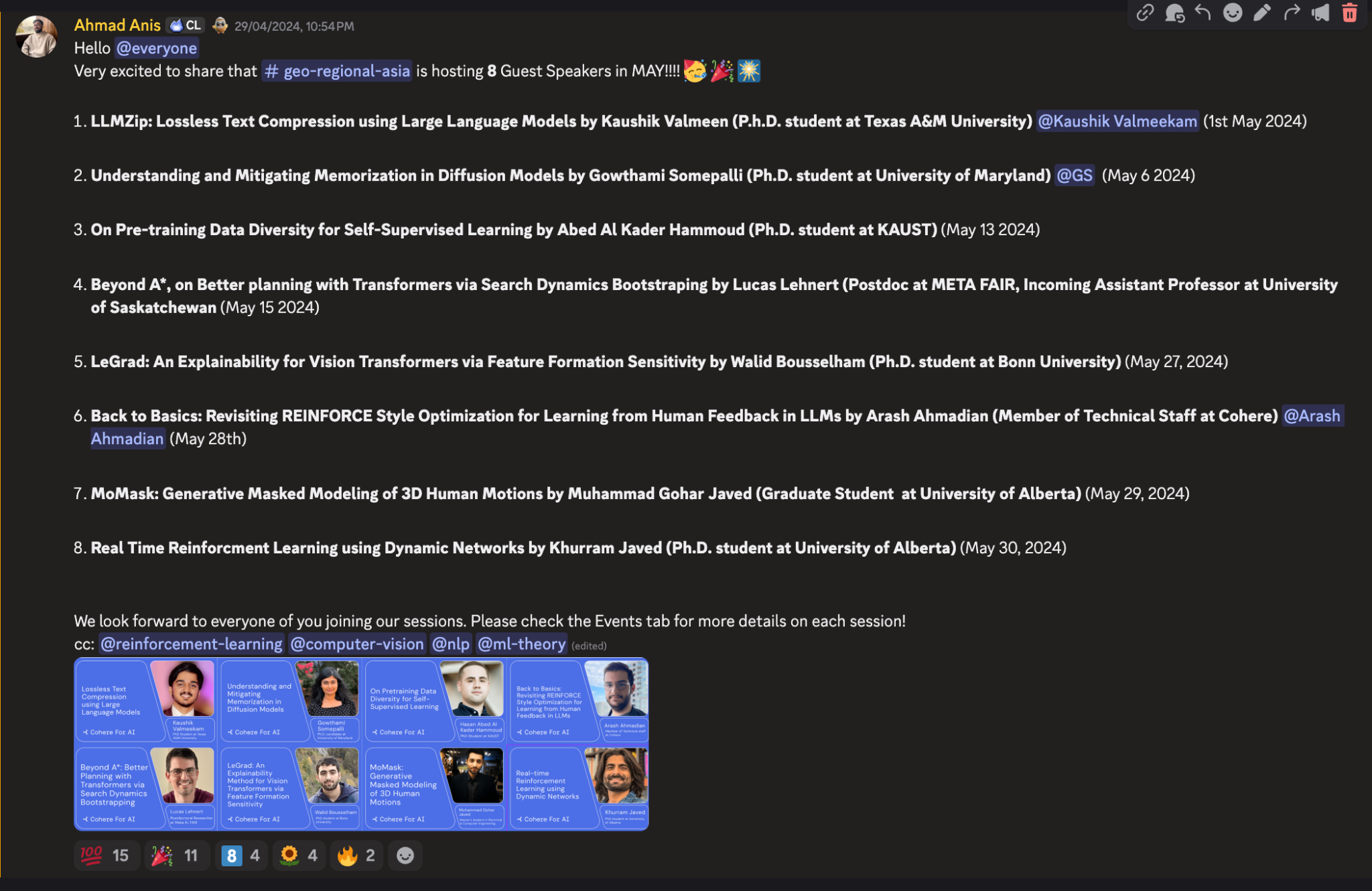
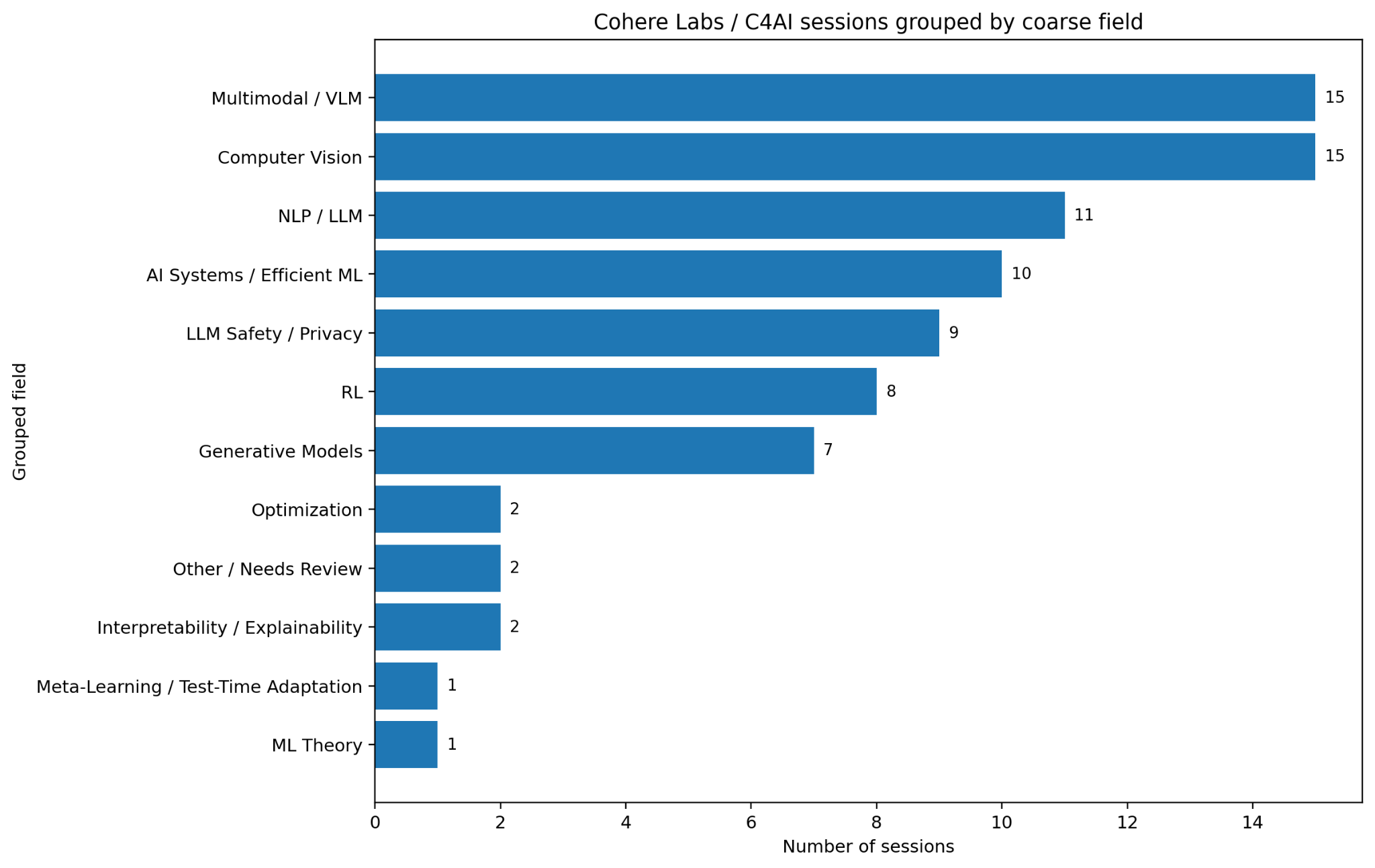
Geo-Regional Asia has hosted over 80 guest speaker sessions, excluding the NYU Deep Learning Cohort and Summer School. We have had about 150,000 combined views on guest speaker sessions on YouTube.
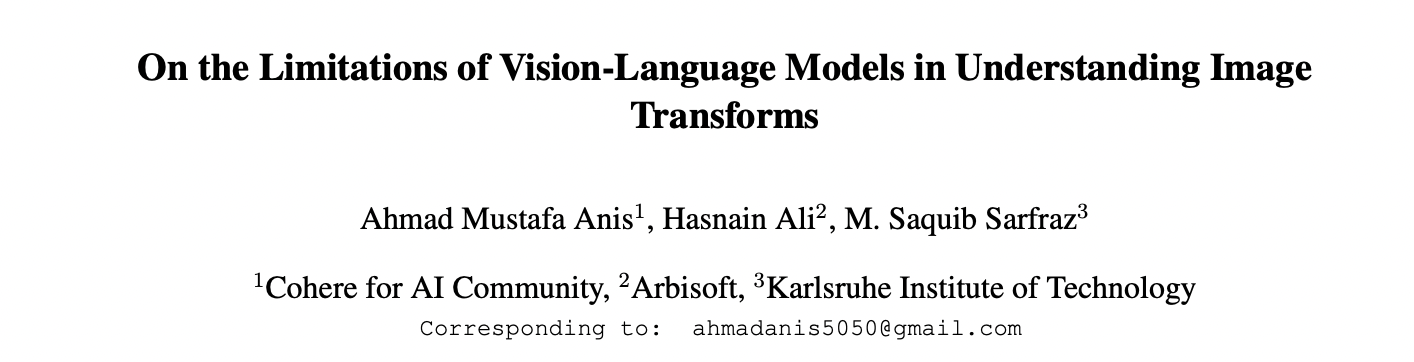
Beyond community work, I got the opportunity to be part of cutting-edge research. I joined the Data Provenance Initiative, a project that started at MIT Media Lab and resulted in publications at NeurIPS 2024 and ICLR 2025. I also pursued independent research under the Cohere Labs affiliation, which led to a first-author paper at a CVPR 2025 workshop.
Another great experience was being part of Expedition Aya, a Cohere Labs initiative that brings together researchers from around the world to form teams and complete a small research project in a matter of weeks. I co-led the DistAya team, where we collaborated on building distilled small language models.
The experience that perhaps took on a life of its own was our Summer School.
Lessons from running the NYU Deep Learning cohort, Multimodal December, and other structured programs taught me something clear: the best results come from cohort-based learning, done in small groups, with practical components and some form of accountability. In 2024, I attended the Oxford Machine Learning Summer School, which was a genuinely excellent program, but also expensive, and not accessible to most people who would benefit from it. Yet when I looked around at OxML, I saw people from every corner of the world who had found a way to make it work.
That gave me an idea: what if we built a summer school that was open to everyone, free for everyone, and held itself to the same quality bar?
The response was beyond anything I expected. We received over 2,000 registrations from across the globe, with more than 1,300 unique participants attending live sessions.
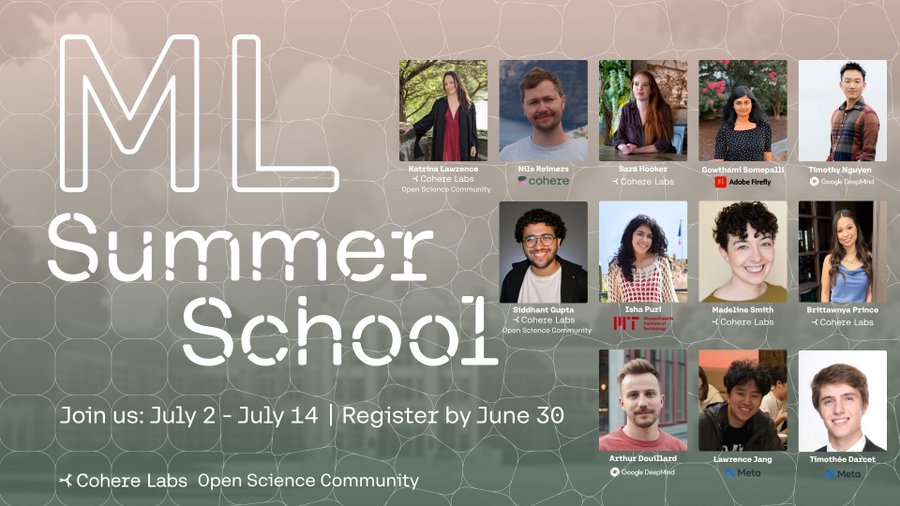
This year, we are back, bigger and better. Stay tuned.
The thing that will shape your trajectory more than any course or certification is the quality of the conversations you are in. Who you can ask for feedback. Who pushes back on your ideas. Who you watch work through hard problems in real time.
That is what Cohere Labs gave me. And it is what it is still giving people now.
Join the Discord, show up, and see what happens. The community’s current flagship research collaboration, Aya Expedition, is underway, and there is no better time to be part of it.
Join the Cohere Labs Open Science Community
A huge thank you to Sara, Madeline, Brittawnya, Marzieh, our co-leads, and the entire Cohere Labs team for building, supporting, and continuously improving this community.